

 Patrick Hathaway
Google officially deprecated their Structured Data Testing Tool (SDTT) in 2021, prompting SEOs, developers, and marketers to seek reliable alternatives for validating structured data.
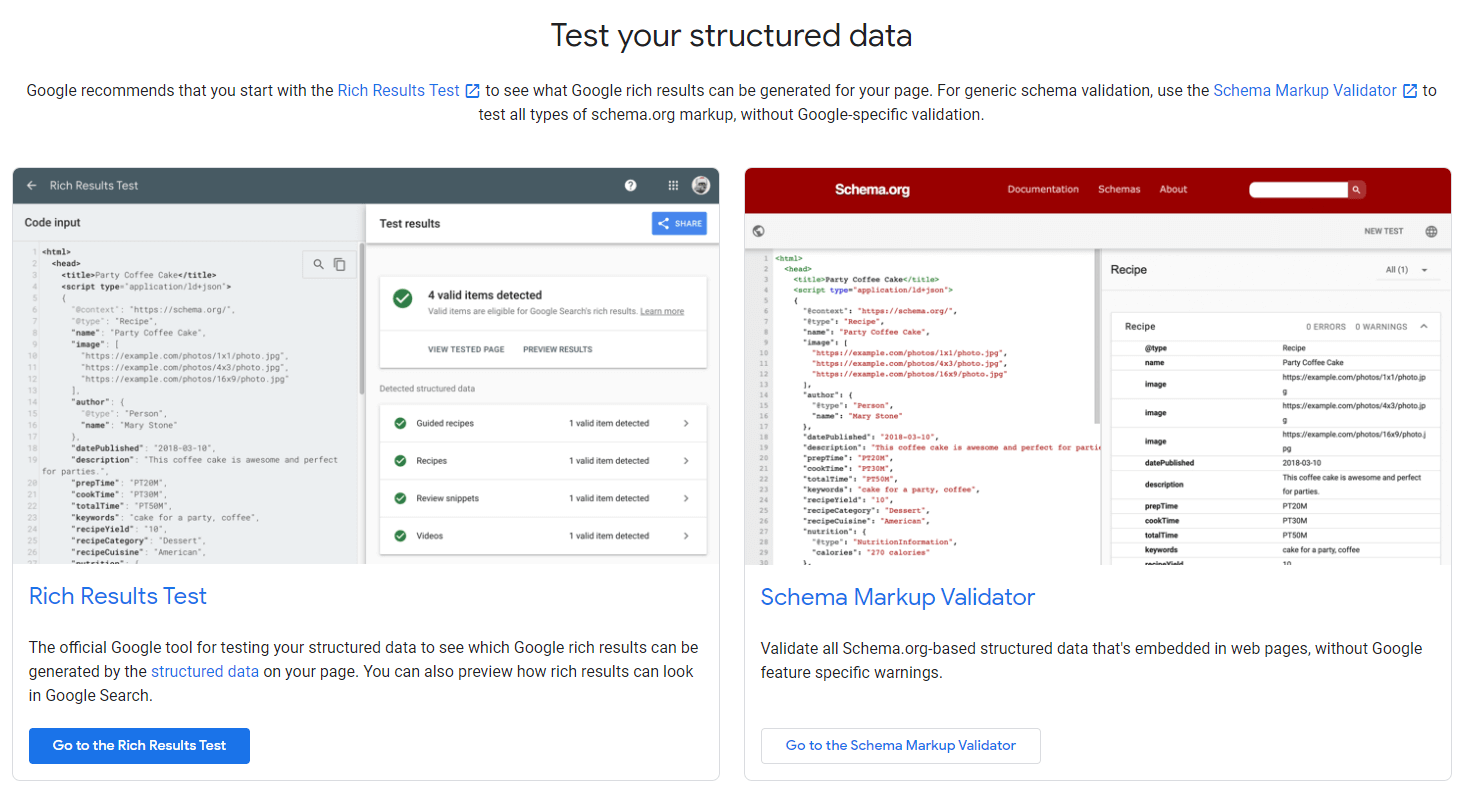
Today, Google provides two distinct tools: the Rich Results Test (RRT) and the Schema Markup Validator (SMV). However, neither fully replicates the versatility of the original SDTT.
Fortunately, several robust third-party validators have emerged. This guide details the best structured data testing tools available in 2025, from comprehensive professional solutions to community-driven validators.
 Check out our mythbusting webinar - In the Age of AI, is Structured Data Dead? Watch the recording.
 What was Google's Structured Data Testing Tool?
For many years, it was the go-to tool for SEOs, developers and webmasters alike to test and validate structured data.
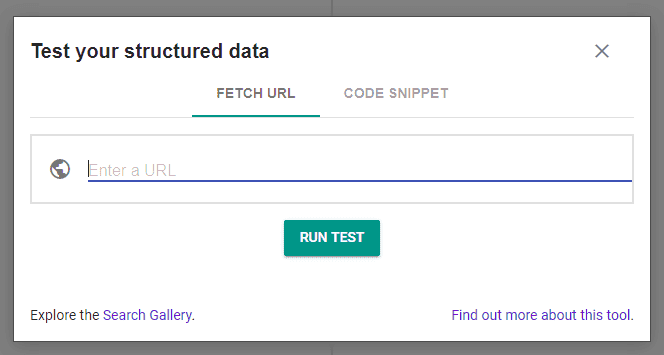
It allowed you to paste a URL or code snippet, then it would parse the HTML and extract all the structured data it found. It would apply validation for Google Search Features and Schema.org.
Google's replacement structured data tools
Rich Results Test (RRT)
The Rich Results Test tool (RRT) is the original replacement for the SDTT. It validates whether structured data qualifies for Google’s rich snippets and search enhancements.
This tool allowed Google to rebrand, clumping together rich snippets, rich cards and other search results features under the umbrella term 'rich results.'
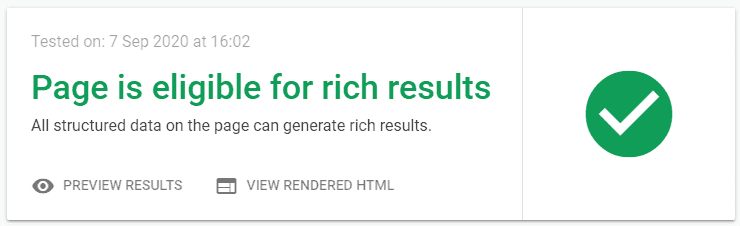
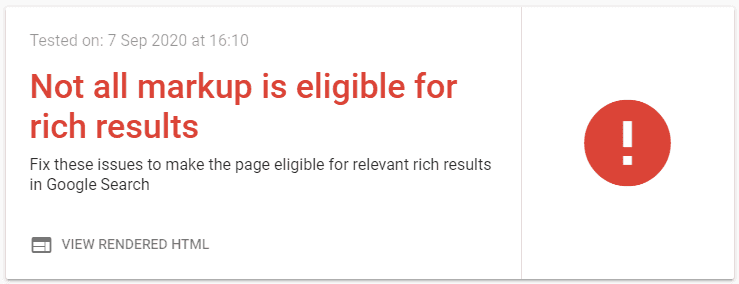
However, many SEOs were very unhappy about the change, quite simply, because there is more to structured data than rich results. The Rich Results Test tool is centered entirely around eligibility for rich results in Google search, with a binary yes/no that dominates the results page.
Pros:
Checks eligibility for Google-specific rich results
Renders dynamic JavaScript content
Supports desktop and mobile testing
Cons:
Validates only Google-approved schema types
Limited insights beyond rich results eligibility
Use it if: You're primarily focused on optimizing structured data for Google-rich snippets and enhanced search features.
Schema Markup Validator
As a result of this vocal backlash on social media, Google actually reversed their decision to completely deprecate the Structured Data Testing Tool (SDTT). They announced in December 2020 that the tool was to be 'refocused'.
The new tool became known as the Schema Markup Validator and officially 'launched' as a SDTT replacement in August 2021. Hosted by schema.org, this tool validates structured data against the official schema.org standards.
Pros:
Checks all schema.org structured data types
Familiar UI (similar to original SDTT)
Cons:
Doesn't validate for Google’s rich results eligibility
No JavaScript rendering
Use it if: You need comprehensive schema.org validation independent of Google's rich results.
(To ease the frustration of using multiple tools, we built a handy Schema Markup Validator Bookmarklet, which is worth adding to your browser if you do a lot of structured data validation.)
Recommended Structured Data Testing Tool alternatives (2025)
Together, the two 'official' Google tools allow you to check structured data for Google's Rich Results, and for generic structured data. However, using two different tools is far less convenient than simply using one!
Fortunately, there are now a range of third party structured data tool alternatives, which we have covered for you below:
1. Sitebulb
Sitebulb's Standalone Structured Data Validator
Number 1 on my list, for obvious reasons, but it genuinely does tick pretty much every box.
Crucially, it will extract ALL structured data, and validate both against Google's guidelines AND against schema.org guidelines, in one fell swoop.
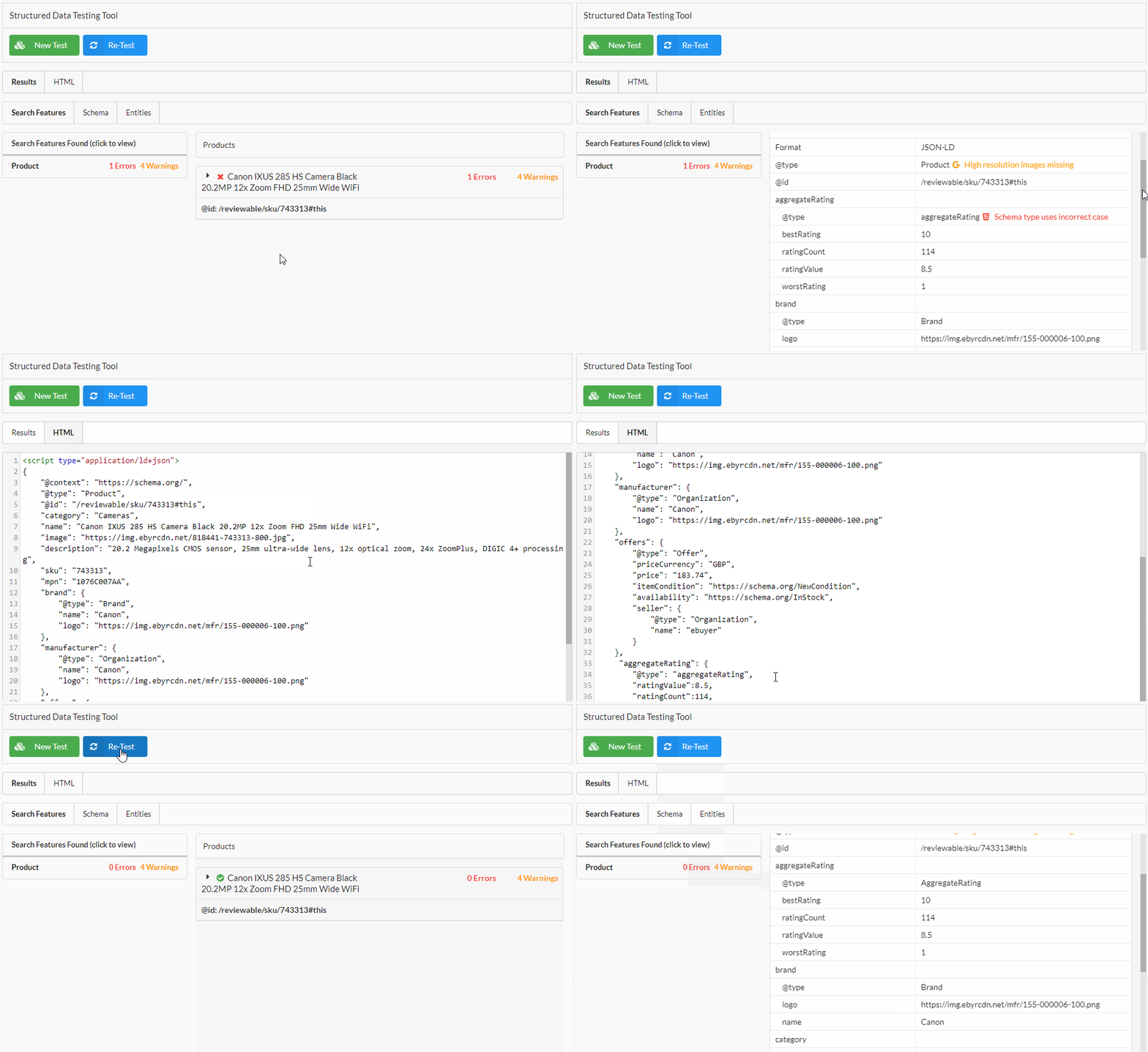
It's a robust desktop validator integrated into the Sitebulb SEO auditing tool, suitable for single-page checks and comprehensive site-wide audits.
Pros:
Enter URL or a code snippet
Extracts and validates ALL structured data
Provides Schema.org validation AND Rich Results validation.
Renders JavaScript (using headless Chromium)
Allows you to quickly make changes and re-test
Recognizes and merges entities with the same @id
Cons:
Desktop software, so can't work via a convenient bookmarklet
Paid software (sorrynotsorry, but we do have a free trial!)
Use it if: You're a professional SEO or developer needing thorough structured data validation at scale.
If you want to learn more about what you can do with Sitebulb's standalone structured data testing tool, check out our documentation guide.
Also, because Sitebulb's structured data validation is built into the crawler, you can audit an entire site and validate ALL the structured data on every single page.
You can check out other reasons why Sitebulb is number 1 (and not just in my view!) in these comparisons with other crawlers:
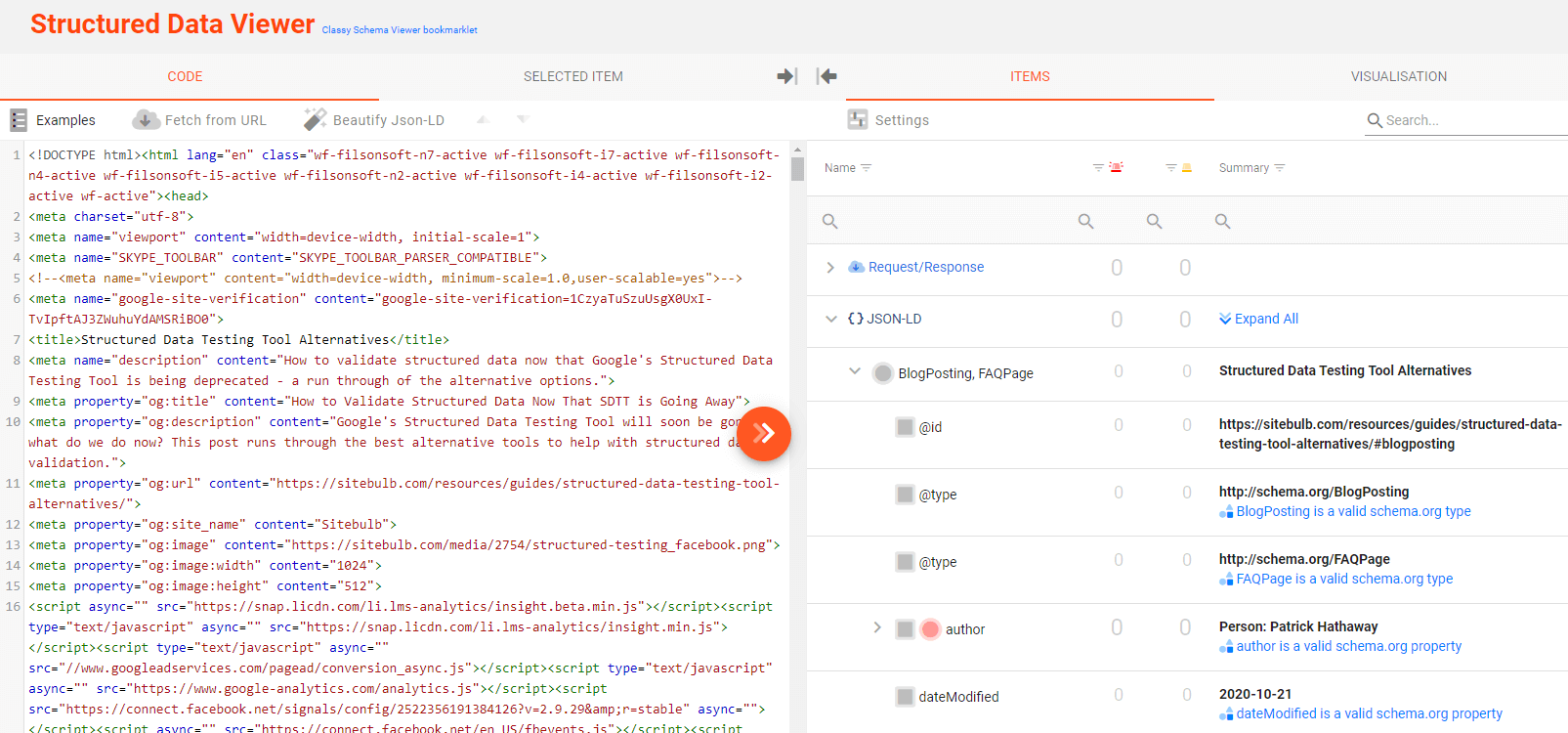
2. Classy Schema Viewer
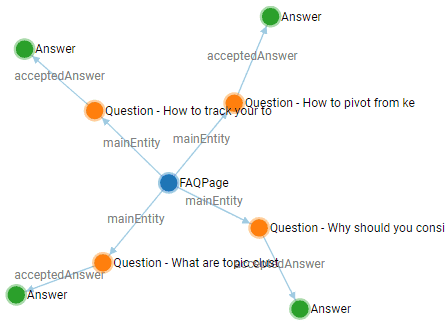
Classy Schema's Structured Data Viewer offers Schema.org validation, and using their Visualization feature, a great way to visualize structured data and the relationships between different entities on the page, with an interactive force-directed graph:
Pros:
Free online validator
Supports schema.org validation and some Google-rich results
Interactive visualization of schema relationships
JavaScript rendering supported
Cons:
Limited support for certain Google-rich features
UI can be unintuitive for validating specific rich features
Use it if: You prefer a visual approach to schema validation, especially when exploring entity relationships.
3. Structured Data Linter
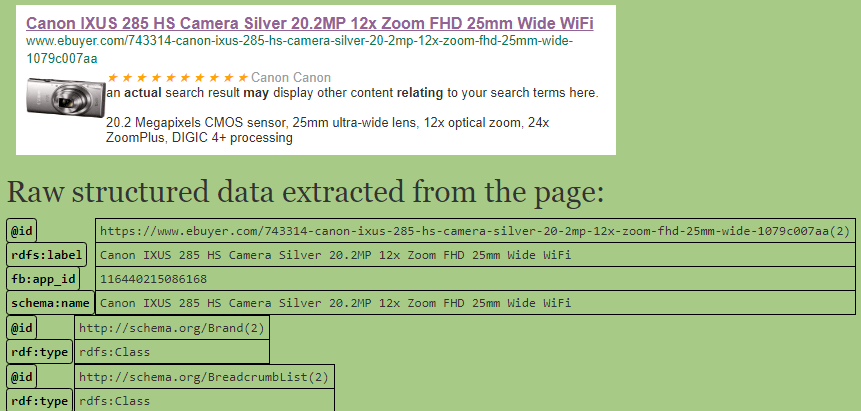
A straightforward online validator offering schema validation with a handy SERP preview feature.
Pros:
Free
Enter URL or a code snippet
Extracts all structured data found on the page
Search results preview
Cons:
Does not provide Rich Results validation
Does not render JavaScript
Difficult to understand errors/warnings
Use it if: You want a quick validation and preview of schema markup without complex setup.
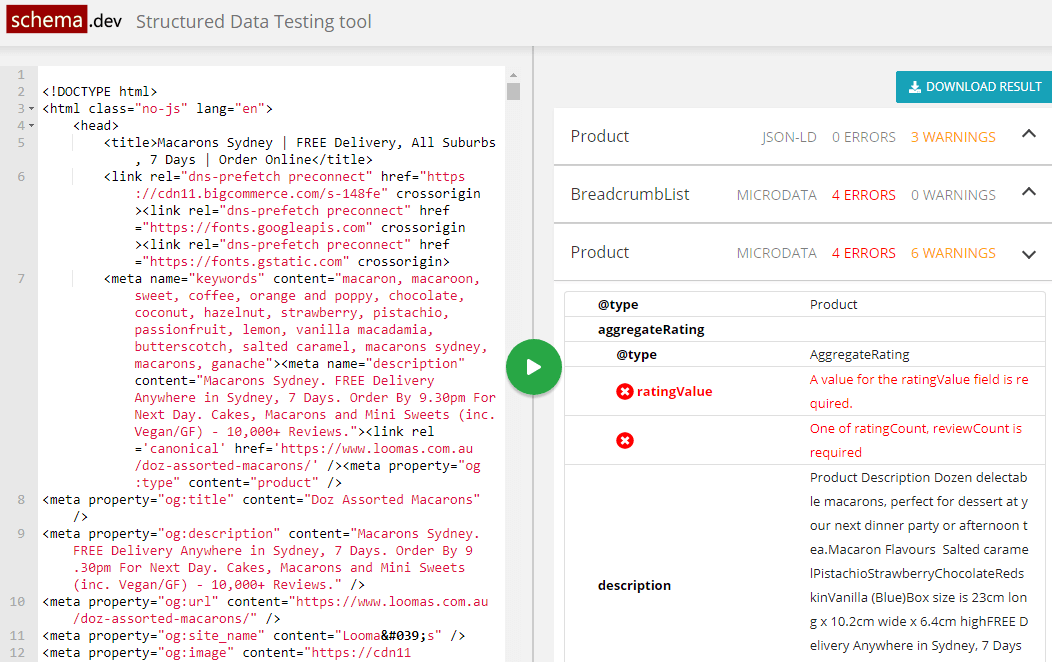
4. Schema.dev Testing Environment
Schema.dev Testing Environment
A suite of tools closely mimicking Google’s validation interfaces, offering schema.org and rich results validation.
Pros:
Free
Familiar layout
Provides Schema.org validation AND Rich Results validation.
Allows you to quickly make changes and re-test
Cons:
Only works with code snippet, cannot test a live URL
Deceptive branding makes the site look like it is made by schema.org (it is not)
Does not recognize or merge entities with the same @id
Lack of clarity as to whether an error is a Google error or a Schema.org error
JSON errors cause a HTTP 500 response, which is super annoying
Use it if: You need quick, familiar schema validation for development purposes using code snippets.
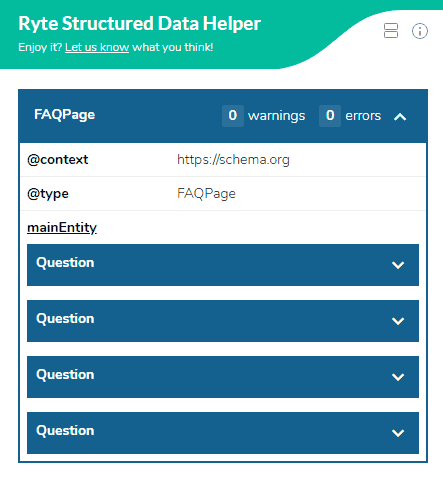
5. Structured Data Helper
A browser extension offering instant validation on-page load.
Pros:
Free
Convenient '1 button press' deployment as it is an extension
Provides Schema.org validation AND Rich Results validation.
Cons:
Not been updated since August 2020
Small viewing window can be difficult to explore
Currently restricted to Chrome
No way to enter code snippet, or easily change/re-test
Use it if: You're looking for a quick browser-based validator for simple structured data checks.
6. Bing
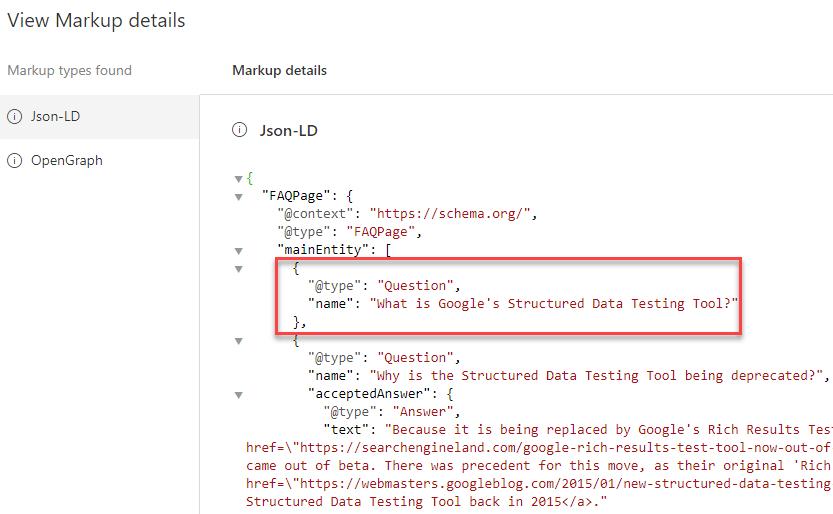
Bing Webmaster Tools URL Inspection
A basic structured data inspection integrated within Bing Webmaster Tools.
Pros:
Free
...?
Cons:
You can only test URLs on a verified domain
Cannot enter a code snippet
Does not provide schema validation of any kind
You have to sign in to Bing Webmaster Tools and run the gauntlet of actually finding the right tool.
Use it if: You're specifically optimizing structured data for Bing.
Structured Data Testing Tools Comparison Table
Tool | Rich Results Validation | Schema.org Validation | JavaScript Rendering | Free/Paid | Input Type |
|---|---|---|---|---|---|
Google Rich Results Test | ✔️ | ❌ | ✔️ | Free | URL/Code |
Schema Markup Validator | ❌ | ✔️ | ❌ | Free | URL/Code |
Sitebulb Validator | ✔️ | ✔️ | ✔️ | Paid | URL/Code |
Classy Schema Viewer | ✔️ (limited) | ✔️ | ✔️ | Free | URL/Code |
Structured Data Linter | ❌ | ✔️ | ❌ | Free | URL/Code |
Schema.dev | ✔️ | ✔️ | ❌ | Free | Code Only |
Ryte Helper Extension | ✔️ | ✔️ | ✔️ (basic) | Free | URL Only |
Bing Webmaster Tools | ❌ | ❌ | ❌ | Free | Verified URL Only |
FAQ
Which validator is best for Shopify sites?
Sitebulb or Classy Schema Viewer are ideal, as they support detailed product schema validation.
Can I test structured data for schema types not yet supported by Google?
Yes, using Schema Markup Validator or Sitebulb, which validate all schema.org types, irrespective of Google’s rich results support.
You might also like:

Patrick spends most of his time trying to keep the documentation up to speed with Gareth's non-stop development. When he's not doing that, he can usually be found abusing Sitebulb customers in his beloved release notes.


Related Articles
 Technical SEO Audit Reports: How to Turn Them into Client Retention Tools

 Enterprise SEO Audit: From Crawl to Prioritised Action Plan


 Which Rendering Approach is Best for SEO on E-commerce Sites?

 Sitebulb Desktop
Find, fix and communicate technical issues with easy visuals, in-depth insights, & prioritized recommendations across 300+ SEO issues.
- Ideal for SEO professionals, consultants & marketing agencies.
 Sitebulb Cloud
Get all the capability of Sitebulb Desktop, accessible via your web browser. Crawl at scale without project, crawl credit, or machine limits.
- Perfect for collaboration, remote teams & extreme scale.